
1. Battery
Cold weather cuts a battery's power just when the engine needs the most to turn over. Most batteries last about three to five years. If yours is in that range, or the engine has been cranking slowly, get it tested before it fails on a cold morning. A test takes a few minutes.
2. Tires
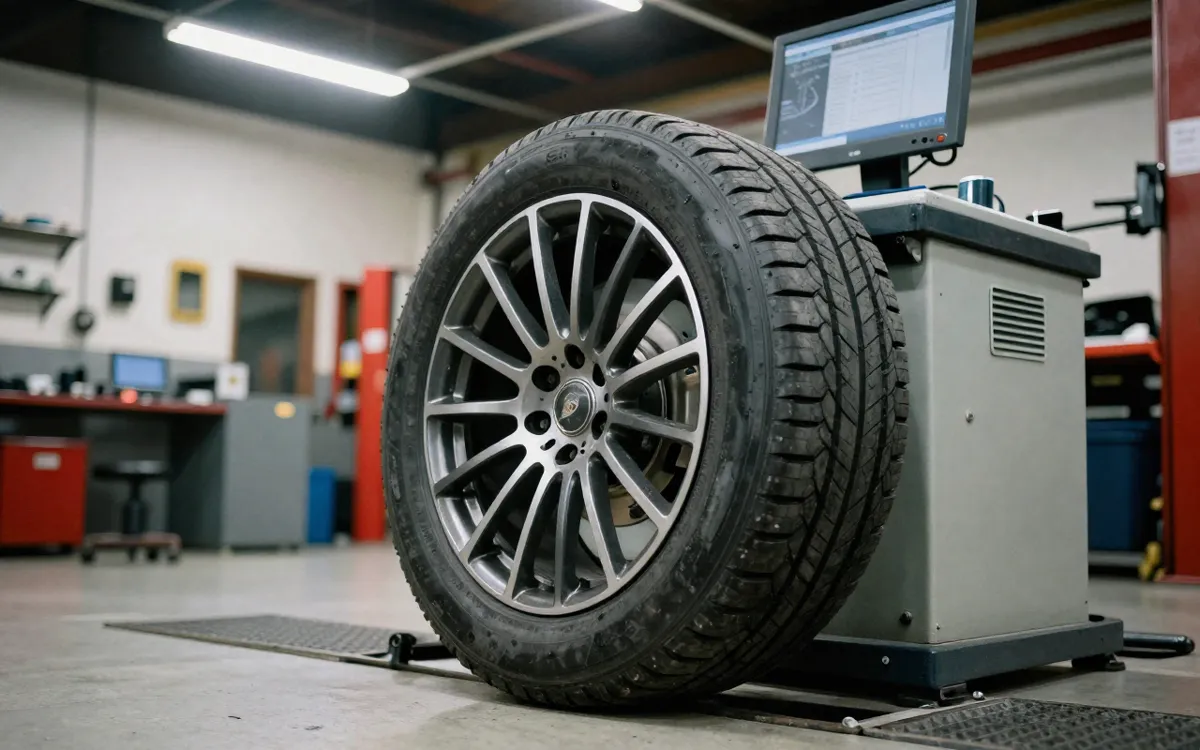
Winter tires grip far better than all-seasons once it's cold, even on dry roads. Swap them on before the first snow, not after.
Check tread depth. Winter tires lose a lot of their snow grip as they wear down, so a set that was fine last year may not be now.
Check pressures. Tire pressure drops as the temperature drops, and a cold snap can trigger the low-pressure light.
3. Wipers and washer fluid
- Replace wiper blades that streak or chatter
- Fill up with winter washer fluid rated for the cold, not summer fluid that can freeze
- Clear the cowl at the bottom of the windshield so leaves don't block drainage
4. Coolant
Coolant (antifreeze) keeps the engine from freezing and keeps the heater working. We check the level and test how much cold protection it still has. If it's weak or overdue, a coolant flush puts it right.
5. Brakes, lights and the rest
- Brakes: salt and slush are hard on pads, rotors and calipers
- Lights: short days mean you'll drive in the dark more, so replace any dead bulbs
- Heater and defrost: if the heat is weak, sort it out before you need to clear a frozen windshield
- Keep a scraper, a brush, a phone charger and a warm layer in the car
Want us to do it?
Book a winter check and we'll go through all of the above, test your battery and tell you plainly what needs doing now and what can wait. You can drop your keys in our 24-hour drop box at the front door if daytime is tough.